
The Secret to Type-Level Claims: Avoiding Logic Errors in OWL
Released , 21 min
 Play The Secret to Type-Level Claims: Avoiding Logic Errors in OWL on YouTube
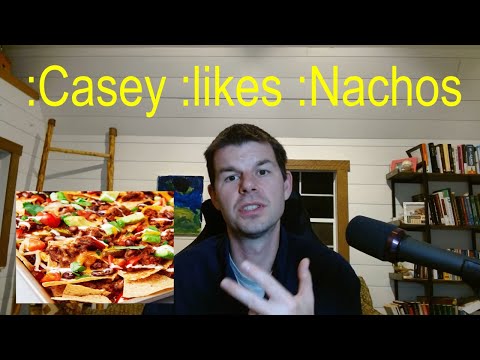
How to Make Type-Level Claims (e.g., Casey likes Nachos)
It seems simple enough: you want to state a relationship between an individual (like your friend Casey) and a whole class of things (like the concept of Nachos). But in ontology, connecting an individual to a class using a standard object property is a fast track to logical contradictions. This is the Type-Level Claim Problem.
In this video, we break down why statements like ":Casey :likes :Nachos" break your formal system, and, more importantly, we give you three reliable ways to solve it.
We explore three architectural solutions for making type-level claims:
1. Punning: Using the same name to refer to two different things (a class and a temporary individual). It's simple but can confuse your users.
2. Annotation Properties (Recommended): Using a non-logical property to make the connection. This is our preferred method for its clarity and preservation of logical consistency.
3. Paradigm Instances: Creating a stand-in individual that represents the class itself. It's logically sound, but adds clutter to your knowledge graph.
By the end of this video, you'll not only understand the problem but be equipped to make the choice that best suits the structure and goals of your own ontology.
For Practitioners & Students: We discuss the technical trade-offs of each method regarding logical consistency, reasoner performance, and data clarity.